
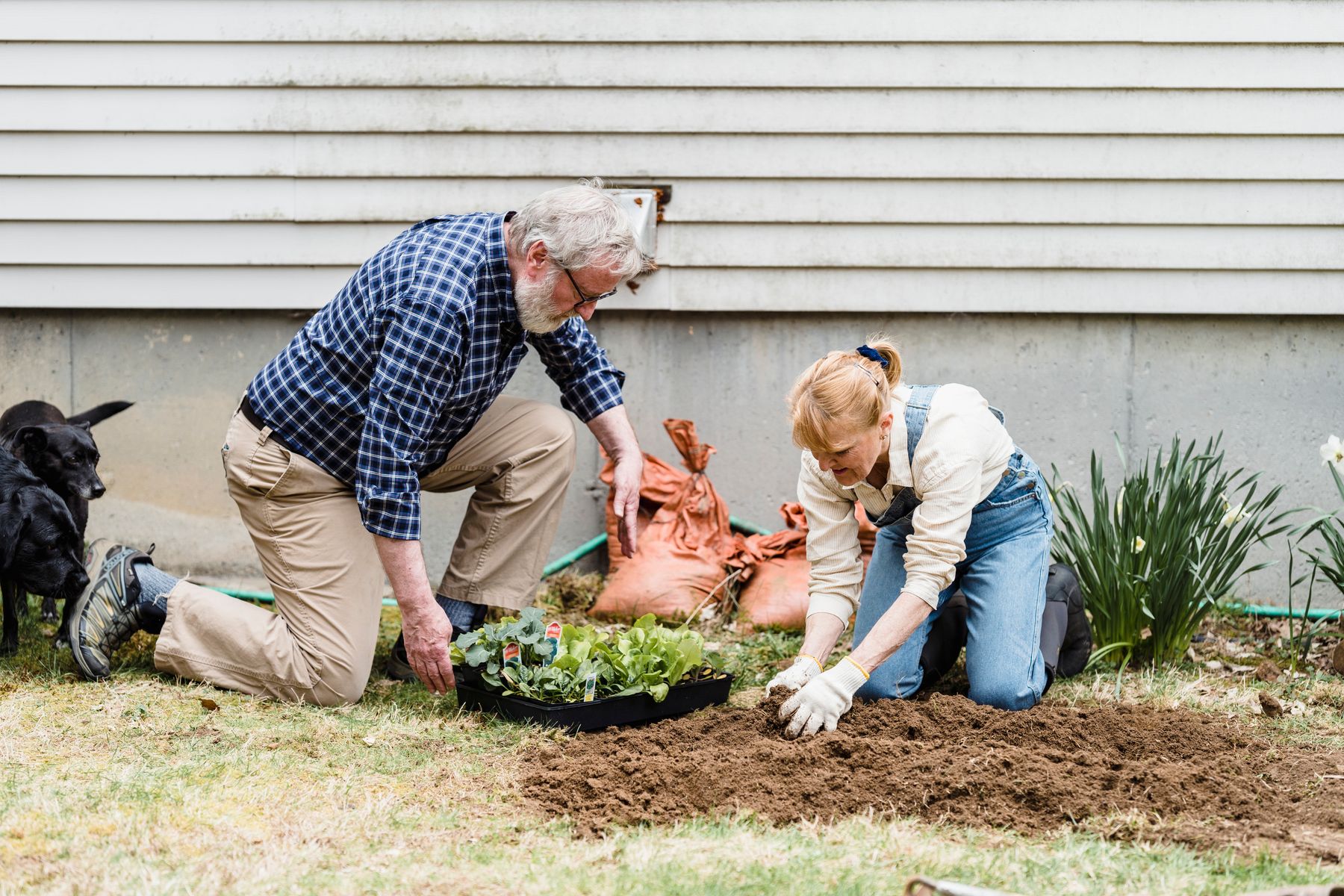
A helpful person can be quick to step in. The coat is already off the hook, breakfast is made, the curtains are open. But if those were the moments someone liked to manage for themselves, help can begin to feel like a takeover. Independence is not a scorecard of how many tasks a person can complete. It is also having a say in the shape of the day.
BAILE's approach is to support people to remain involved in everyday life and decisions about their care. That might mean assistance with one part of a routine and space to do the rest. It will not look the same for everybody, or even for the same person every day.
Ask before taking over
“Would you like a hand?” is useful. “Which bit would you like help with?” is often better. It leaves open the possibility that the person wants to finish a task in their own way, perhaps more slowly, or would rather hand over the whole job today. Listen to the answer without treating either choice as a setback.
Imagine someone who likes to set the table but finds lifting heavy dishes awkward. A respectful arrangement might leave the table setting to them and offer help with carrying the food, if that is appropriate for their circumstances. Another person might prefer someone else to handle the meal so they can save their energy for a visit with a friend. The person's goal, not a rule about doing everything alone, guides the conversation.
Make room for changing days
Abilities and preferences can vary. A plan that fits on Monday might feel too demanding on Friday. Encourage the person to say when they want more help or less. Rather than praising them only when they do something without assistance, notice the choice they made: “Would you rather try that yourself today, or shall we do it together?”
Sometimes an activity that looks simple from outside is not comfortable or safe for the individual. Do not push someone to do a task as a test of independence. If you are worried about moving around, washing or another activity, raise it with an appropriate healthcare professional and the care team so support can be considered in light of the person's needs.
Respect the home as their space
Help at home happens in someone's personal surroundings. Ask where they want things kept, what order they prefer and which rooms feel private. A person might like their morning tea before getting dressed, or prefer to choose their clothes without an audience. These details can matter as much as the task itself.
It is worth checking in about boundaries with visitors and family too. Family can bring care and practical knowledge, but the person receiving support should be part of decisions about who is included in discussions and what information they want shared. Dignity means being spoken to directly, not only spoken about.
Put independence into the care plan
General promises to “promote independence” are less useful than specific agreements. Ask what the person wants to keep doing and what assistance would make that possible. For example: “I want to wash my face and choose my clothes; I would like help with the parts of getting ready that I find difficult.” Discuss with the provider how that could work, within assessed needs and the agreed plan.
Then revisit it. Is the support still helping the person do what matters to them? Is a routine feeling rushed? Would a different time or a different type of help suit better? BAILE describes ongoing communication and review because circumstances can change. Neither more help nor less help should be assumed to be the right outcome without asking.
For practical help with agreed daily activities, read about home support. For private routines, personal care describes BAILE's focus on consent, privacy and encouraging independence where possible. If you are weighing up options, visit BAILE's contact page; its details are placeholders and its callback form cannot send enquiries yet.
The guiding question is simple: “What would help you live your day your way?” The answer may be help, time, a change to the environment, or simply being asked first.